May 8, 2026
In today's consumer-driven world, deciding whether to repair a broken item or replace it entirely can be challenging. This article explores the factors influencing these decisions and provides practical guidelines to help you make informed choices. By examining various criteria such as cost, condition, emotional value, environmental impact, market trends, and legal considerations, readers can gain a clearer understanding of when it's more beneficial to repair or replace items. This decision-making process is applicable to various products ranging from household appliances and vehicles to electronics and furniture. With insight into these factors, consumers can better navigate this common dilemma and make choices that align with their values and circumstances.
Section 1: Assessing the Cost
1.1 Initial Costs of Repair vs. Replacement
The initial cost is often the most immediate factor considered when deciding between repair and replacement. Repair costs tend to be lower upfront but can accumulate over time if repairs are frequent. Replacement, on the other hand, may involve a higher one-time expenditure, but can result in long-term savings if it eliminates ongoing repair needs. For example, purchasing a new appliance with a warranty may prevent additional costs. Assessing these initial expenditures accurately requires gathering quotes from repair services and comparing these to the price of a new item.
1.2 Long-term Financial Implications
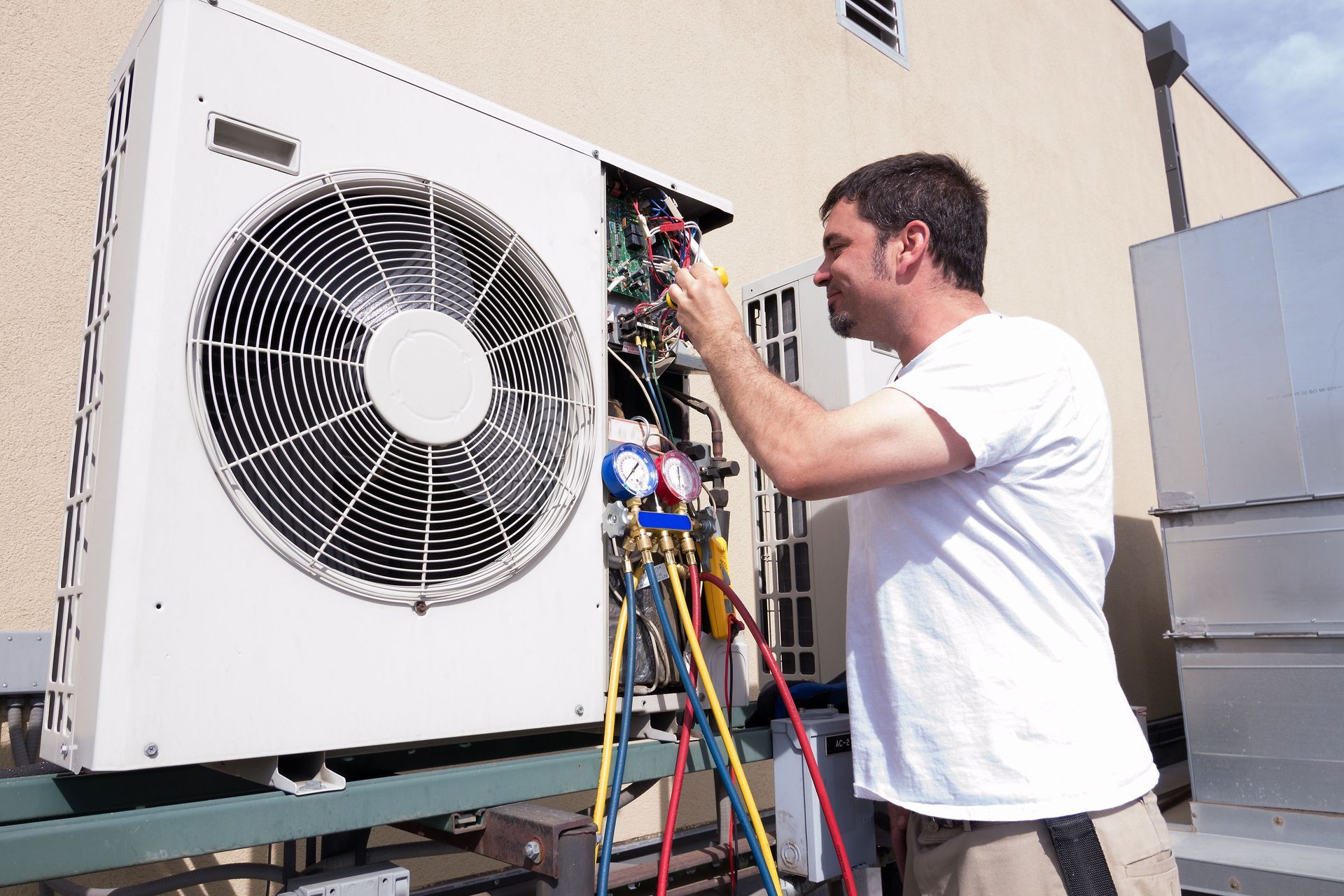
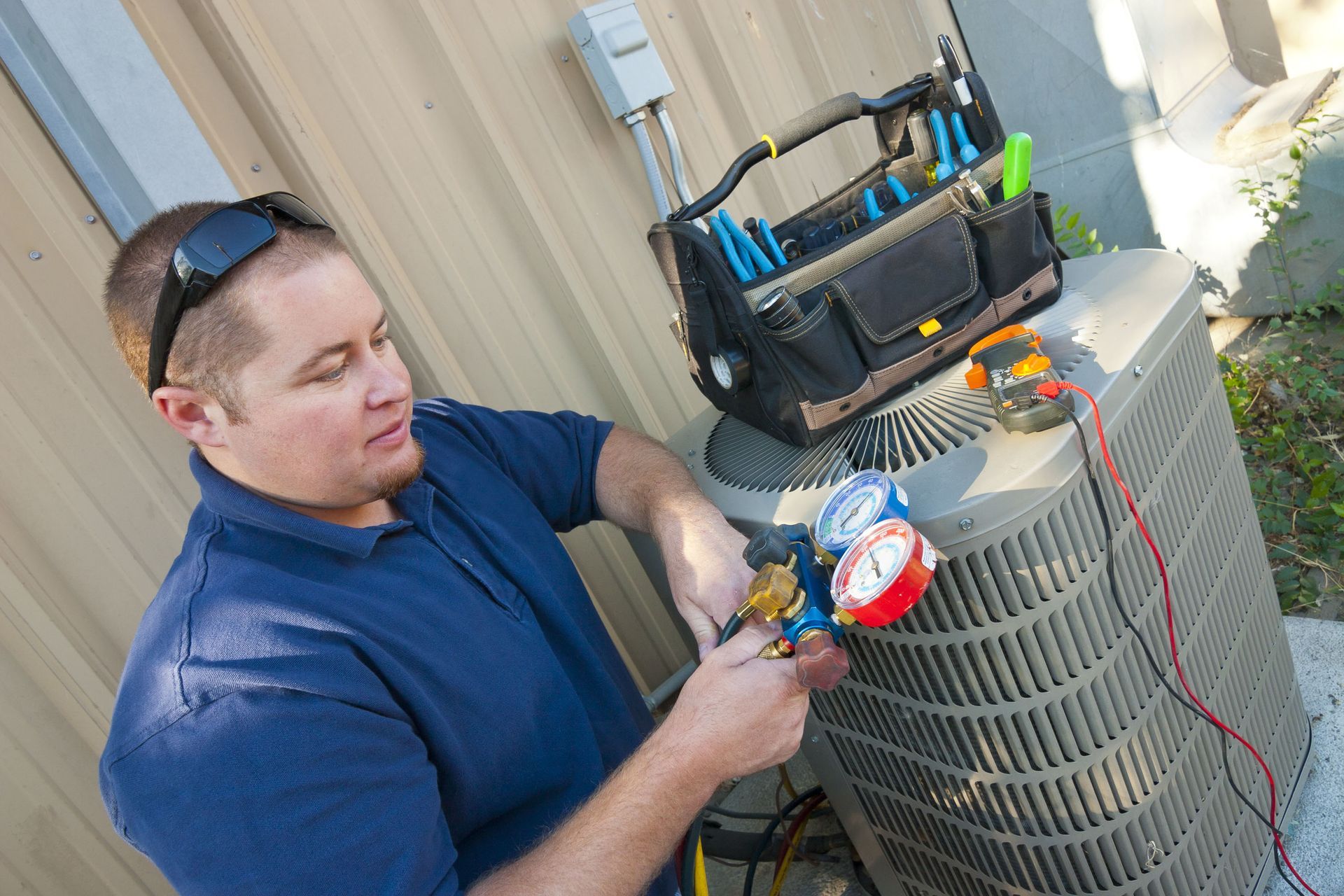
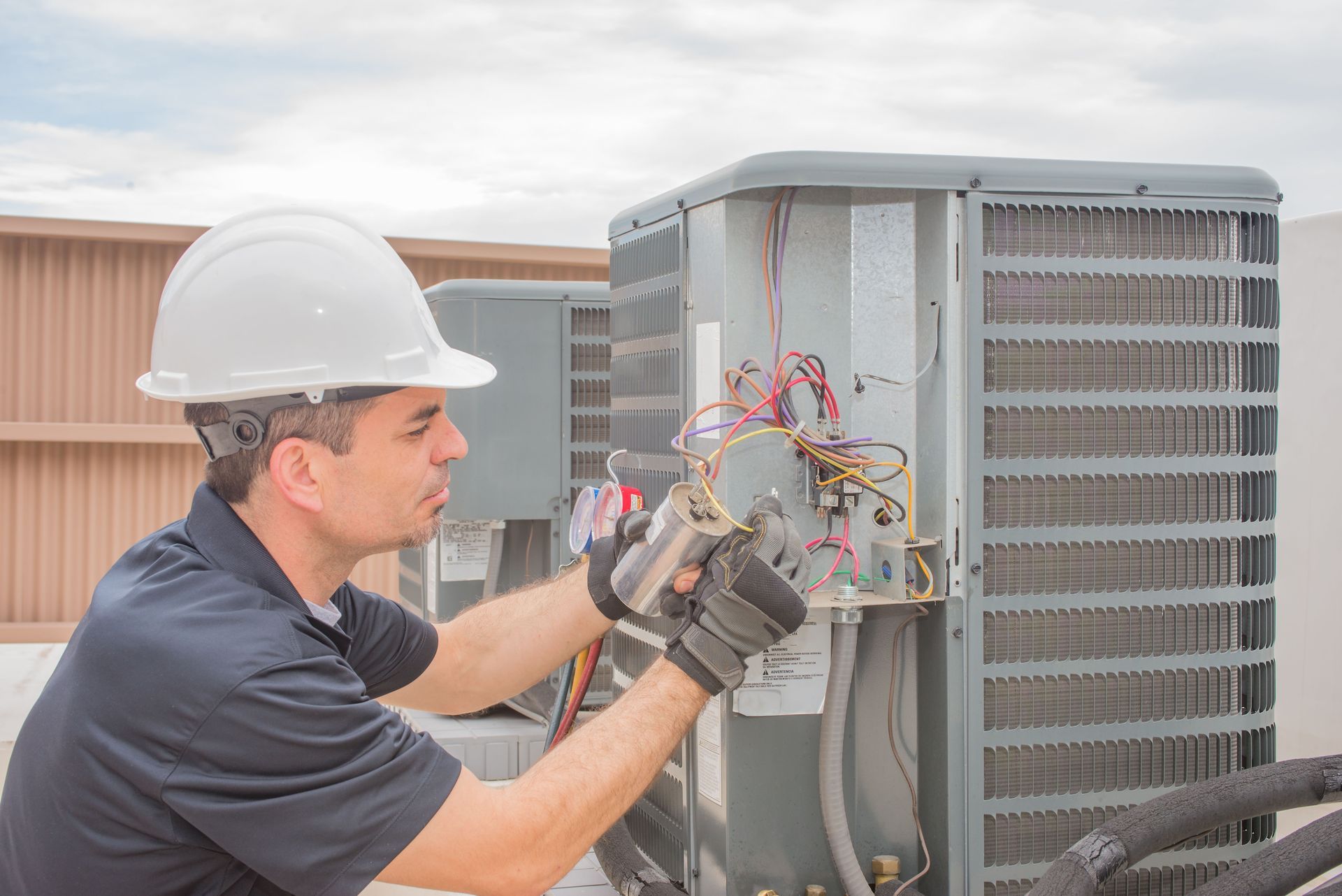
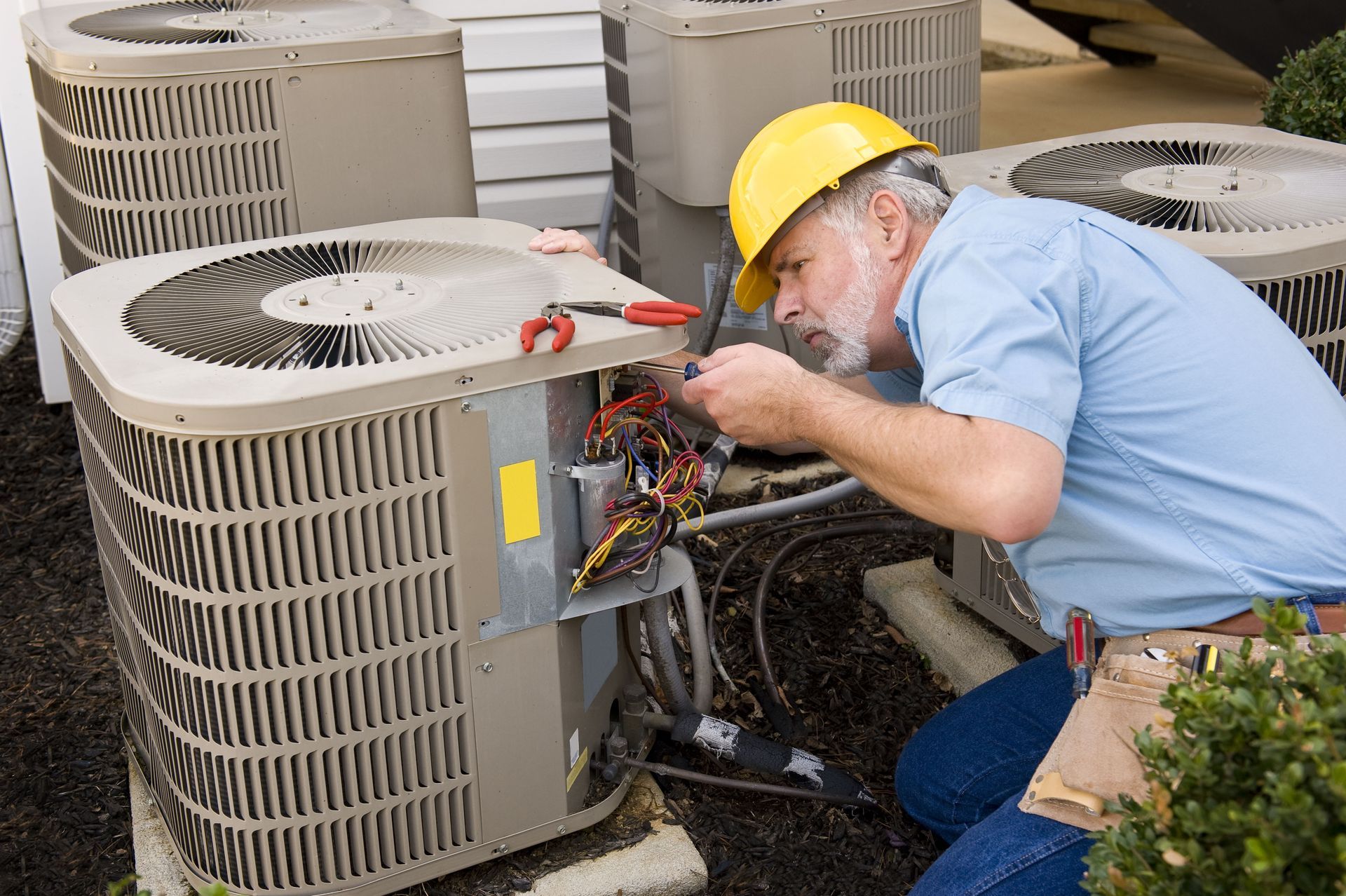
Long-term financial implications involve evaluating how the decision will impact finances in the future. Replacing an item could reduce future costs through improved energy efficiency and fewer repair needs. According to HomeGuide, replacing an HVAC system is worth considering if it's over 10 years old and repair costs exceed 30% of a new unit. Additionally, newer items may offer superior features and allow for savings through utility efficiency or reduced maintenance expenses. When calculating these implications, consider both the immediate savings and potential future expenses when continuing to repair an older item.
1.3 Hidden Costs
Hidden costs can significantly sway the decision towards either repair or replacement. Repair may lead to additional, unforeseen expenses, such as the need to fix other parts that were unexpectedly affected. Replacement, while potentially avoiding some hidden repair costs, comes with its own set of hidden expenses like disposal fees and potential setup or installation charges. Additionally, replacing an item could spark a need for compatible accessories or upgrades that were not anticipated. It's crucial to estimate these potential hidden costs early in the decision-making process.
1.4 Cost-Effective Analysis Tools
Utilizing cost-effective analysis tools can provide insight into whether to repair or replace an item. Tools like cost calculators, which incorporate factors such as energy costs and lifespan, can offer a clearer financial picture. These tools often compare the cost-effectiveness of maintaining an older item versus buying a new one, including variables such as interest rates if financing options are considered. By providing a quantitative analysis, these tools can support informed decision-making. Users should ensure such tools are up-to-date and reflect current market prices and trends.
1.5 Case Studies on Cost Evaluations
Case studies that explore various cost evaluations can be helpful in understanding potential outcomes. Examining real-life scenarios where individuals have faced repair versus replacement decisions can highlight the complexities of the choice. For example, a homeowner may find that replacing an outdated heating system not only reduces long-term costs but also improves energy efficiency and comfort. Another example might involve a car owner who finds that ongoing repair costs exceed the depreciation and financing of a newer vehicle. These case studies provide practical insights and illustrate how factors beyond initial costs play a critical role.
Section 2: Evaluating the Condition
2.1 Understanding Wear and Tear
Wear and tear is the natural degradation an item experiences through normal use. Understanding an item's current state requires assessing how much wear and tear an item has endured and how it affects functionality. Worn-out parts can lead to inefficiencies and increased repair costs. Regular maintenance records can also provide insight into an item’s lifespan and help determine when replacement is more cost-effective. Additionally, understanding this wear can help anticipate future issues and expenses if the item continues to degrade.
2.2 Identifying Critical Damage
Identifying critical damage is key to deciding whether to repair or replace an item. Critical damages are those that hinder an item’s core functions, beyond minor superficial defects. If the core functionality is compromised, repairing may not restore full operational capacity. For instance, structural damage to the frame of a vehicle often necessitates replacement as repairs may not guarantee safety. Assessing the extent of critical damage requires a professional evaluation to provide an accurate analysis of repair viability.
2.3 Technological Obsolescence
Technological obsolescence refers to the reduced usefulness of items due to advancements in technology. If newer versions of a product offer significantly enhanced capabilities, retaining an outdated model might not be justified even if it functions adequately. For example, older electronics might not support newer software, making them difficult to integrate into modern networks. In cases where a product is technologically obsolete, replacement might be the ideal choice to maximize efficiency and performance. The decision should weigh current needs and the benefits offered by updated technologies.
2.4 Dependability and Performance Over Time
Dependability and performance over time are crucial factors when evaluating whether to repair or replace. An item that frequently requires repairs can lead to inconsistencies in performance, frustrating users and inconvenient downtime. Continual repairs might temporarily solve issues but fail to resolve underlying problems. Performance metrics and usage patterns can highlight how dependability degrades over time, affecting the overall user experience. A thorough evaluation of these elements can guide the choice between investing in repairs or opting for a new, more reliable replacement.
2.5 Inspection Methods and Tools
Effective inspection methods and tools are essential for gauging an item's condition accurately. Professional diagnostic tools can offer detailed insights into an item’s performance and potential issues. Techniques such as visual inspections, performance audits, and software-based diagnostics can uncover unseen problems in appliances and electronics. These inspections help determine if continued use is safe and practical or if replacement is necessary for optimal performance. Utilizing the right tools ensures a comprehensive understanding of an item’s condition and supports sound decision-making.
Section 3: Gauging Emotional and Sentimental Value
3.1 Sentimental Attachment vs. Practicality
Sentimental attachment often complicates pragmatic decision-making between repair and replacement. Individuals may feel emotionally connected to an item due to memories or significant life events. This attachment can lead to choosing repairs even when they are not economically justified. Conversely, prioritizing practicality often necessitates stepping back from sentimental values to consider functionality and cost-effectiveness. Balancing sentimental attachment with practicality requires evaluating how much the item adds to one's current life aside from emotional value.
3.2 Valuing Heirlooms vs. Everyday Items
Heirlooms usually hold significant emotional and historical value that surpasses everyday items. When considering whether to repair or replace, heirlooms often warrant preservation out of respect for heritage and family connections. Everyday items, however, may not justify repair costs if they function simply as utilitarian assets. The value placed on heirlooms involves considering their irreplaceability and potential generational significance. This distinction assists in determining when repair aligns with preserving history and continuity over practicality.
Deciding whether to repair or replace an item requires careful consideration of various factors, including cost, condition, sentimental value, environmental impact, market trends, and legal aspects. By weighing these considerations, individuals can make decisions that are economically, emotionally, and environmentally sound. It's essential to deploy a multifaceted approach that examines immediate needs and long-term consequences, thus ensuring the most beneficial outcome. With continual advancements and shifting consumer behavior, individuals should remain adaptable and informed about trends and regulations to navigate repair and replacement choices effectively. Ultimately, this balanced decision-making process empowers consumers to align their choices with their values and practical realities. Be sure to reach out to Affordable HVAC LLC today for more information on our professional HVAC service!