November 9, 2026
A well-functioning heating and cooling setup does far more than alter the indoor temperature on a wall thermostat. True indoor comfort depends on balanced, steady airflow moving throughout every room, hallway, and shared living area. When conditioned air fails to circulate properly, occupants frequently encounter uneven temperatures, persistent drafts, stuffy pockets, and inflated utility expenses. Resolving these underlying airflow issues requires specialized diagnostic tools, deep technical training, and practical field familiarity. Working with a seasoned HVAC company makes a transformative difference in diagnosing complex airflow issues and restoring whole-property thermal balance.
Many property owners assume that an uncomfortably warm or chilly bedroom simply indicates an aging furnace or a weak air conditioner. In reality, the root cause often stems from inadequate duct configurations, improper pressure differentials, or uncalibrated mechanical parts. According to market research from IBISWorld, 120,461 heating and air-conditioning contractor businesses operate nationwide, yet the technical skill and practical proficiency required to resolve complicated air circulation challenges vary significantly among contractors. A professional HVAC company evaluates a building as an integrated ecosystem, identifying precisely how air moves, escapes, and circulates through every architectural zone.
Assessing Airflow Balances Across Every Living Zone
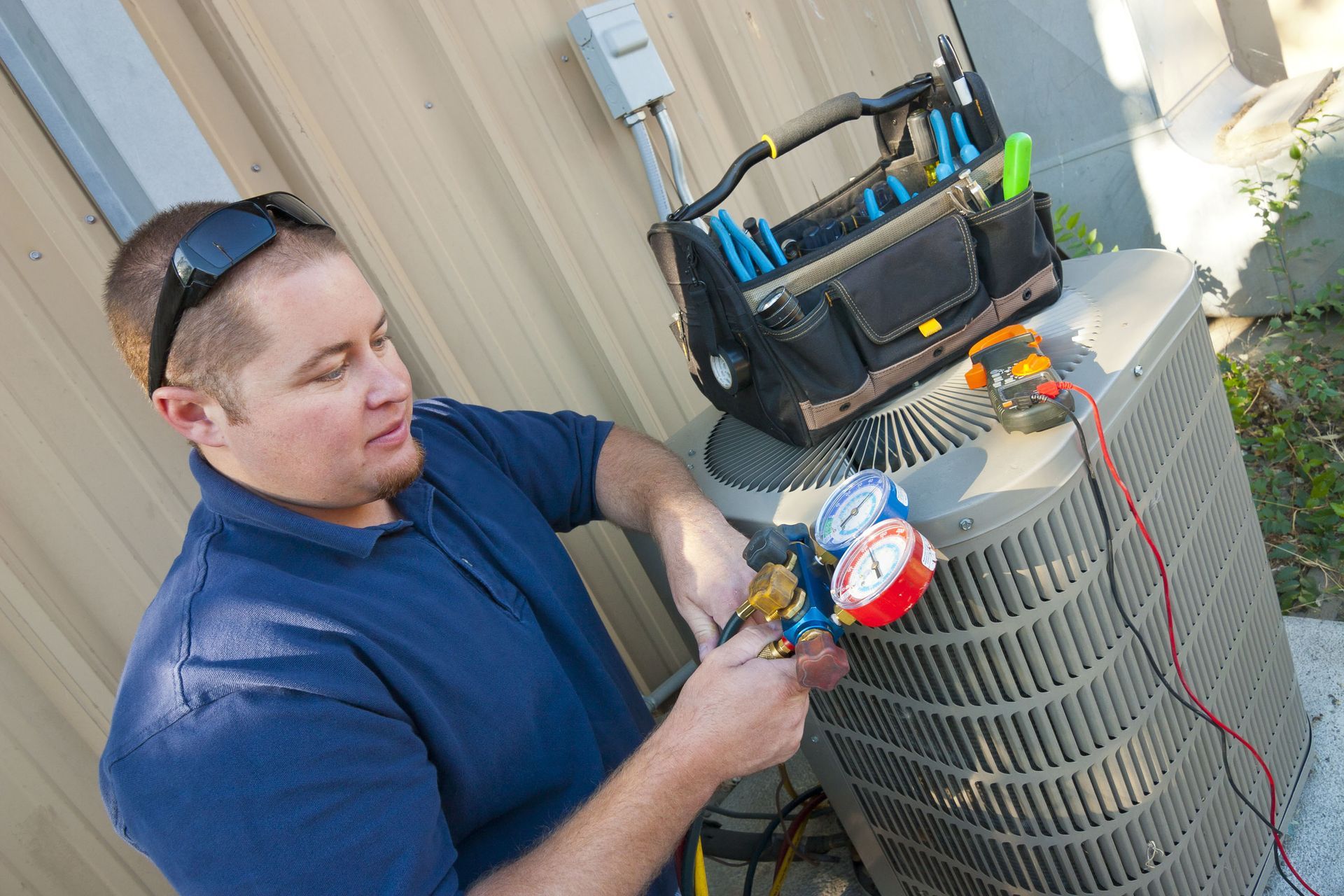
A fundamental step in correcting uneven indoor temperatures involves measuring air balance throughout the entire building layout. Over time, physical settling, renovations, closed registers, and improper duct layouts disrupt static pressure, causing certain rooms to receive abundant airflow while others remain starved of conditioning. When an experienced HVAC company examines a home or commercial building, technicians utilize precision diagnostic tools like manometers and anemometers to measure static pressure and cubic feet per minute of airflow at supply vents.
These precise measurements expose whether specific rooms experience positive or negative air pressure imbalances. Rooms with excessive positive pressure push heated or cooled air out through window seams and structural joints, wasting energy. Conversely, negative pressure pulls unconditioned, unfiltered outdoor air inside, creating noticeable drafts and temperature variations. By identifying these localized pressure discrepancies, skilled contractors adjust internal dampers, rebalance airflow distribution, and calibrate return paths so every interior space maintains consistent, pleasant comfort.
Repairing Compromised and Leaky Ductwork Systems
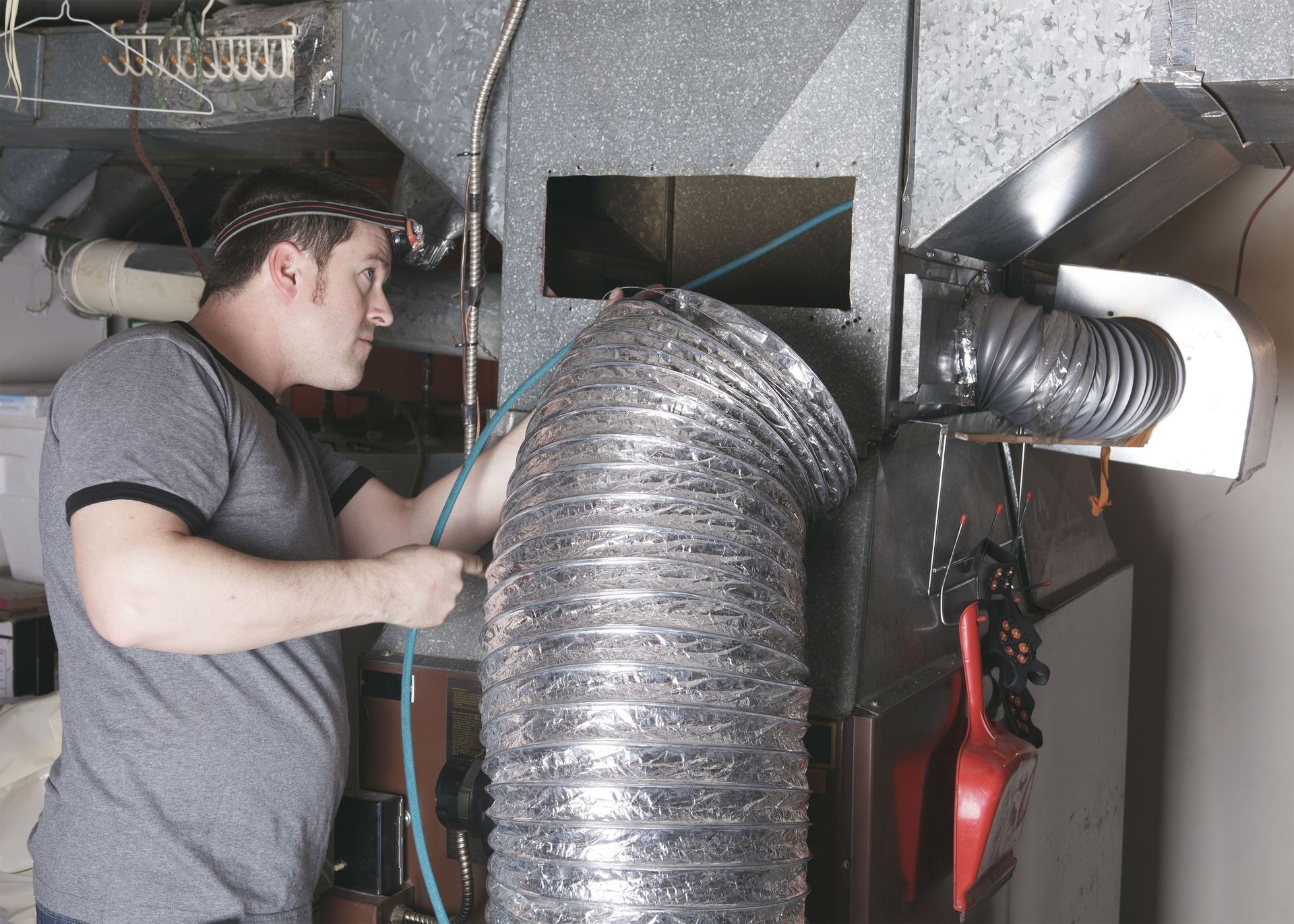
Concealed duct networks serve as the respiratory pathways of any forced-air heating and cooling configuration. Unfortunately, ductwork located in attics, crawlspaces, or between floors frequently suffers from disconnected joints, torn flexible ducting, holes from rodents, and degraded insulation. When air ducts leak, substantial amounts of conditioned air escape into uninhabited cavities, preventing living areas from reaching desired temperatures. Furthermore, compromised return ducts draw dust, attic insulation, and ambient moisture directly into circulating air streams.
Professional air duct installation and repair resolve these hidden circulation defects. A dedicated HVAC company inspects every accessible run of ductwork, pinpointing seam separations, loose brackets, and degraded tape. Technicians seal connections with durable mastic or specialized metal-backed tape and repair crushed or bent flexible conduits that restrict air velocity. Restoring structural duct integrity ensures that conditioned air reaches its intended rooms at full force and optimal temperature, dramatically reducing thermal stratification between floors.
Sizing Replacement Equipment for Balanced Distribution
Equipment sizing plays a paramount role in maintaining effective air distribution throughout any residential or commercial interior. An oversized heating or cooling unit turns on, blasts high volumes of conditioned air into adjacent spaces, satisfies the thermostat rapidly, and shuts off prematurely. This rapid short-cycling prevents conditioned air from reaching distant bedrooms, resulting in cold spots during winter and clammy, humid corners during summer months. In contrast, undersized equipment runs continuously without generating sufficient static pressure to move air across larger footprints.
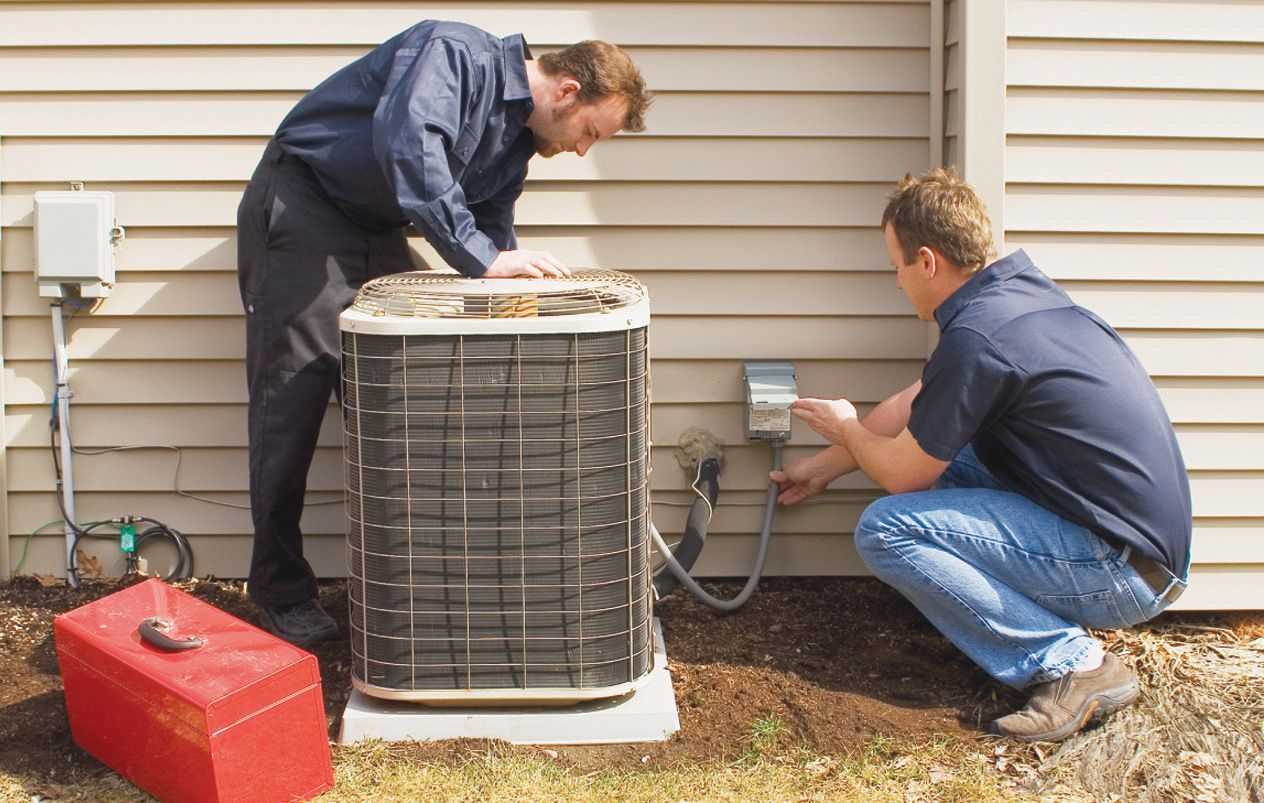
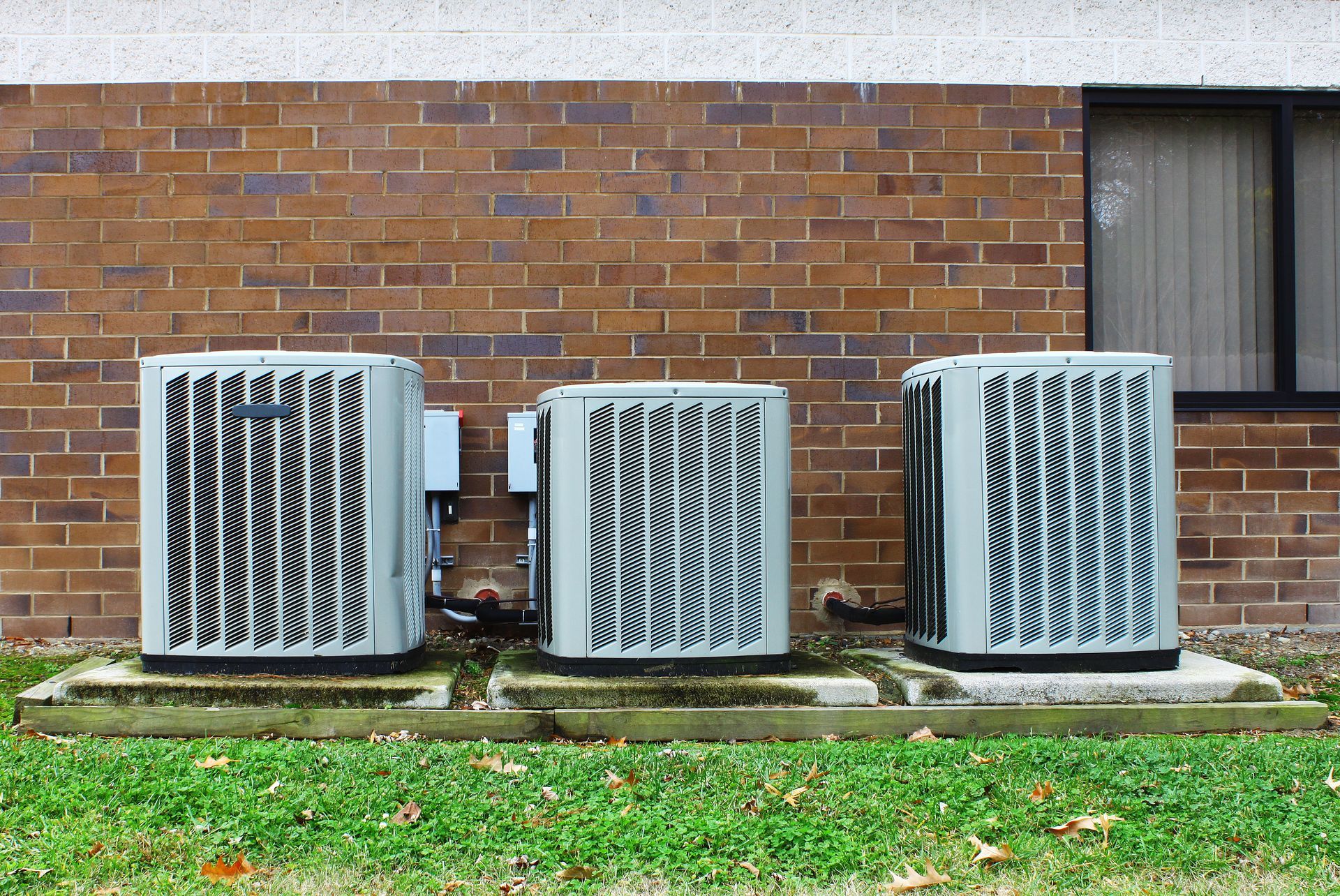
When property owners arrange for new heat pump installation, furnace replacement, or complete a/c installation, an experienced HVAC company conducts formal load calculations using industry standards. Technicians evaluate square footage, insulation ratings, window orientation, and ceiling heights to recommend equipment matched to the structure. Properly sized heating and cooling equipment produces steady, uniform cycles, giving supply registers adequate run time to disperse air thoroughly across every corner of the property.
Implementing Modern Multi-Zone Thermostat Controls
Standard single-thermostat setups measure temperature from only one central location, often creating massive comfort discrepancies across multi-level properties, sunny southern rooms, or finished basements. Installing advanced digital thermostats and multi-zone control dampers transforms how air distributes across complex layouts. Zoning divides a property into distinct climate sections, directing heated or chilled air only where and when it is needed.
Professional technicians evaluate household usage patterns and architectural characteristics to recommend ideal thermostat placements and programmable scheduling configurations. When a qualified HVAC company establishes a multi-zone configuration, motorized dampers inside the ductwork respond dynamically to local temperature requests. If second-floor bedrooms heat up on sunny afternoons, the control system diverts additional airflow upward while moderating supply to cooler downstairs areas. This customized air management prevents wasted energy and ensures uniform comfort for all occupants.
Integrating Specialized Ductless Mini-Split Systems
Certain architectural spaces present persistent air distribution challenges that traditional central ductwork cannot easily solve. Room additions, converted garages, sunrooms, bonus rooms over garages, and older historic properties often lack adequate duct connections. Forcing central ductwork into these challenging areas can starve other rooms of conditioned air and strain the central blower motor.
In these challenging scenarios, ductless mini-split installation offers an outstanding solution for targeted air distribution. An experienced HVAC company strategically positions indoor mini-split air handlers directly within hard-to-condition rooms, providing independent thermal management without modifying existing central ducts. Mini-splits deliver continuous, variable-speed airflow that eliminates stubborn hot spots and drafts. Because mini-splits operate independently, they enhance whole-property climate management while allowing primary central systems to maintain balanced airflow throughout the remainder of the home.
Conducting Preventative Seasonal Maintenance Inspections
Air circulation efficiency declines gradually over time as dirt, mechanical wear, and system drift take their toll on equipment. Blower fans accumulate dust on curved blades, reducing airflow velocity and air volume. Clogged air filters choke air movement, causing heat exchangers to overheat and evaporator coils to freeze. Loose blower belts, misaligned pulleys, and failing blower motors further restrict circulation, creating erratic temperature swings across living spaces.
Scheduling professional seasonal maintenance prevents these air distribution failures before they cause severe discomfort or costly breakdowns. Comprehensive spring and winter tune-ups include cleaning blower wheels, inspecting blower motor capacitors, checking duct connections, and clearing condensate lines. When an established HVAC company performs comprehensive maintenance, technicians also test safety shutoffs, lubricate moving mechanical components, and examine gas line installation points for safety. Consistent care keeps blowers operating at peak aerodynamic efficiency, guaranteeing smooth, quiet, and balanced airflow throughout every season.
Maintaining consistent, reliable airflow across every room requires far more than simply adjusting registers or swapping out a single air filter. Poor air distribution stems from intricate imbalances in static pressure, duct design, equipment sizing, and mechanical performance. Addressing these complex airflow issues requires the diagnostic precision, diagnostic equipment, and hands-on skill that only a proven heating and cooling specialist brings to the job. By balancing duct pressures, fixing leaky distribution pathways, correctly sizing new equipment, and performing routine seasonal inspections, skilled professionals transform everyday indoor comfort and lower monthly utility expenses.
Whether you need targeted air duct repair, modern thermostat upgrades, heat pump installation, furnace repairs, or emergency a/c repair, working with dedicated professionals ensures every room in your home or commercial building receives clean, well-distributed conditioned air. For exceptional heating, cooling, and air distribution solutions tailored to your unique comfort requirements, partner with Affordable HVAC LLC today.