September 8, 2026
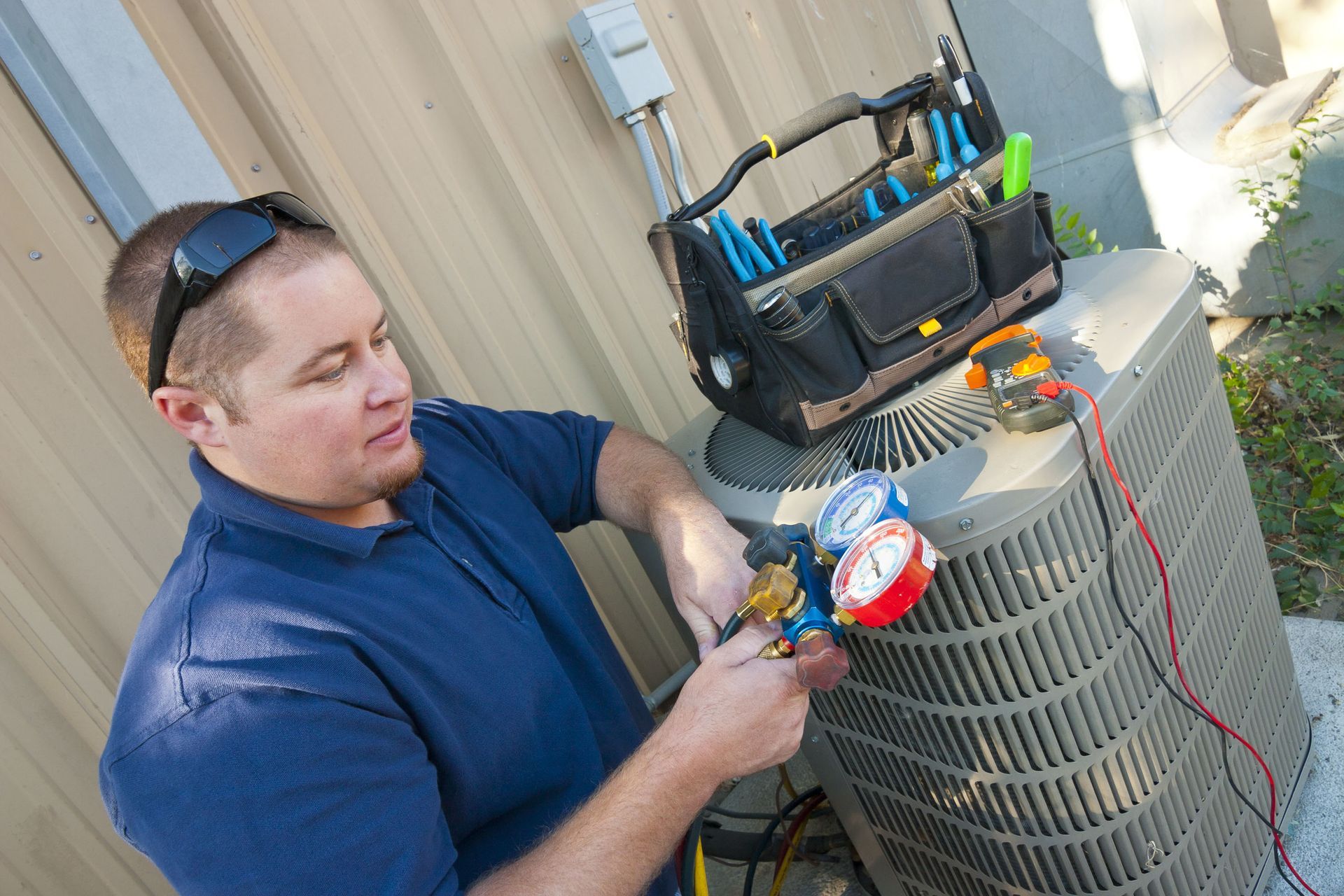
Maintaining optimal indoor comfort requires proactive system care throughout the year. Homeowners often overlook climate control units until unexpected breakdowns occur during extreme weather conditions. Scheduling routine professional HVAC service ensures equipment operates reliably, protects household budget health, and extends overall system lifespan.
Investments in residential climate equipment continue expanding across the globe. According to Globe News Wire, the industry valuation will expand to $438.64 billion by 2030. This rapid industry growth underscores how crucial climate control technology remains for modern living spaces.
Preventative maintenance keeps complex mechanical parts operating smoothly. Dusty components cause unnecessary friction, which forces motors to draw extra electrical current. Routine professional tune-ups clean internal coils, calibrate thermostats, inspect electrical connections, and balance airflow distribution to maximize overall household energy conservation.
1. Optimize Energy Efficiency
Professional technicians carefully inspect every heating and cooling component to restore optimal operating conditions. Clean filters and calibrated blowers allow air to move freely through ductwork, drastically cutting monthly power consumption.
Unserviced systems consume significantly more electricity to achieve desired indoor temperatures. Timely inspections catch minor restrictions before they turn into heavy power draws, helping homeowners keep utility bills manageable throughout summer heatwaves and winter cold snaps.
System recalibration allows motors to run smoothly without working against blocked passages. This reduction in electrical strain lowers monthly energy expenditures while preserving grid reliability during peak usage periods.
Consistently maintaining clean heat exchangers enables faster heat transfer rates across rooms. Faster temperature adjustments mean systems run for shorter cycles, saving energy without sacrificing personal comfort levels.
Proper airflow balance across supply registers prevents pressure buildups inside duct lines. Balanced systems deliver consistent comfort levels to distant rooms without wasting energy on over-conditioned zones.
Automated thermostat controls work best when paired with properly calibrated system sensors. Accurate reading sensors prevent rapid cycling, which lowers daily wattage consumption across all operating modes.
Seasonal coil cleans remove insulating layers of dirt that block efficient thermal exchange. Clean evaporator coils absorb indoor heat far quicker, reducing total daily compressor operation time.
2. Extend Equipment Lifespan
Regular maintenance minimizes daily mechanical wear and tear on vital internal hardware. Compressors, heat exchangers, and fan motors last noticeably longer when kept free of debris and properly lubricated.
Replacing entire heating and cooling systems requires substantial financial commitment. Comprehensive care schedules prevent premature component fatigue, allowing household systems to perform effectively for as long as possible.
- Reduced friction on moving mechanical parts
- Lower thermal stress on internal electrical wiring
Addressing minor alignment issues prevents premature damage to vital structural components. Smooth operation reduces overall vibration, which protects delicate copper solder joints from developing early stress fractures.
Consistent professional oversight extends operational utility well past typical expectations. Long-lasting equipment maximizes initial capital investments while delaying costly full-system replacement expenses for years.
Regular lubrication of bearings reduces heat buildup in high-speed spinning parts. Lower heat levels prevent internal metal components from expanding, warping, or grinding against housing walls.
Scheduled HVAC service visits allow experts to address minor component wear before minor issues cause systemic damage. Proper care guarantees every part wears evenly throughout the system's operational lifespan.
3. Improve Indoor Air Quality
Heating and cooling networks constantly circulate air throughout residential spaces. Dust, pollen, pet dander, and mold spores accumulate on coils and inside blower assemblies over time, reducing overall living environment cleanliness.
Detailed technician cleaning removes trapped airborne pollutants before they cycle through living spaces. Performing seasonal HVAC service protects family members from avoidable respiratory discomfort and allergen exposure.
High-efficiency filtration systems capture microscopic particulate matter before it settles inside supply ducts. Fresh air circulation prevents stale indoor conditions while reducing household dust accumulation on furniture surfaces.
Humidification controls within modern climate networks prevent mold proliferation inside dark internal compartments. Maintaining proper humidity balance deters microbial growth, ensuring cleaner air flows into every room.
Clean air distribution networks reduce dust accumulation inside living space ventilation registers. Cleaner duct paths keep indoor air feeling fresh while preventing unpleasant odors during system startup.
Removing dirt from internal blower wheels stops dust from blowing directly into living areas. Clean blower fans deliver purified air across all household rooms during continuous circulation cycles.
Proper condensate drainage prevents standing water pools where bacteria and algae thrive. Removing stagnant moisture stops organic growth from contaminating indoor air streams throughout humid months.
4. Prevent Costly Breakdowns
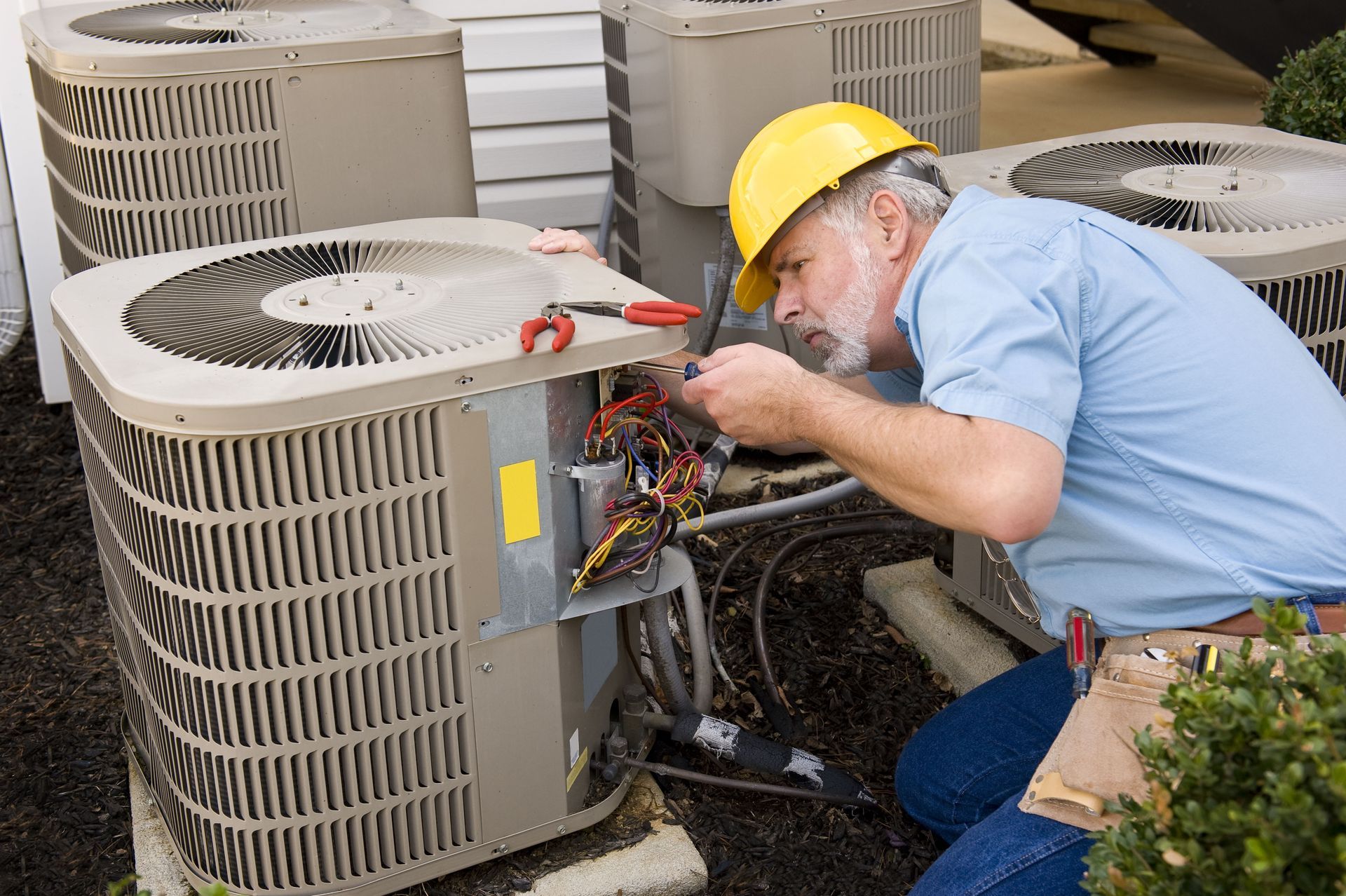
System failures usually happen during peak heating or cooling demands. Scheduled maintenance allows technicians to discover worn belts, loose wiring, or minor refrigerant leaks before complete mechanical failures occur.
Fixing small issues early prevents cascading damage to major system parts. Proactive replacement of minor components avoids emergency service calls during severe summer heatwaves or freezing winter nights.
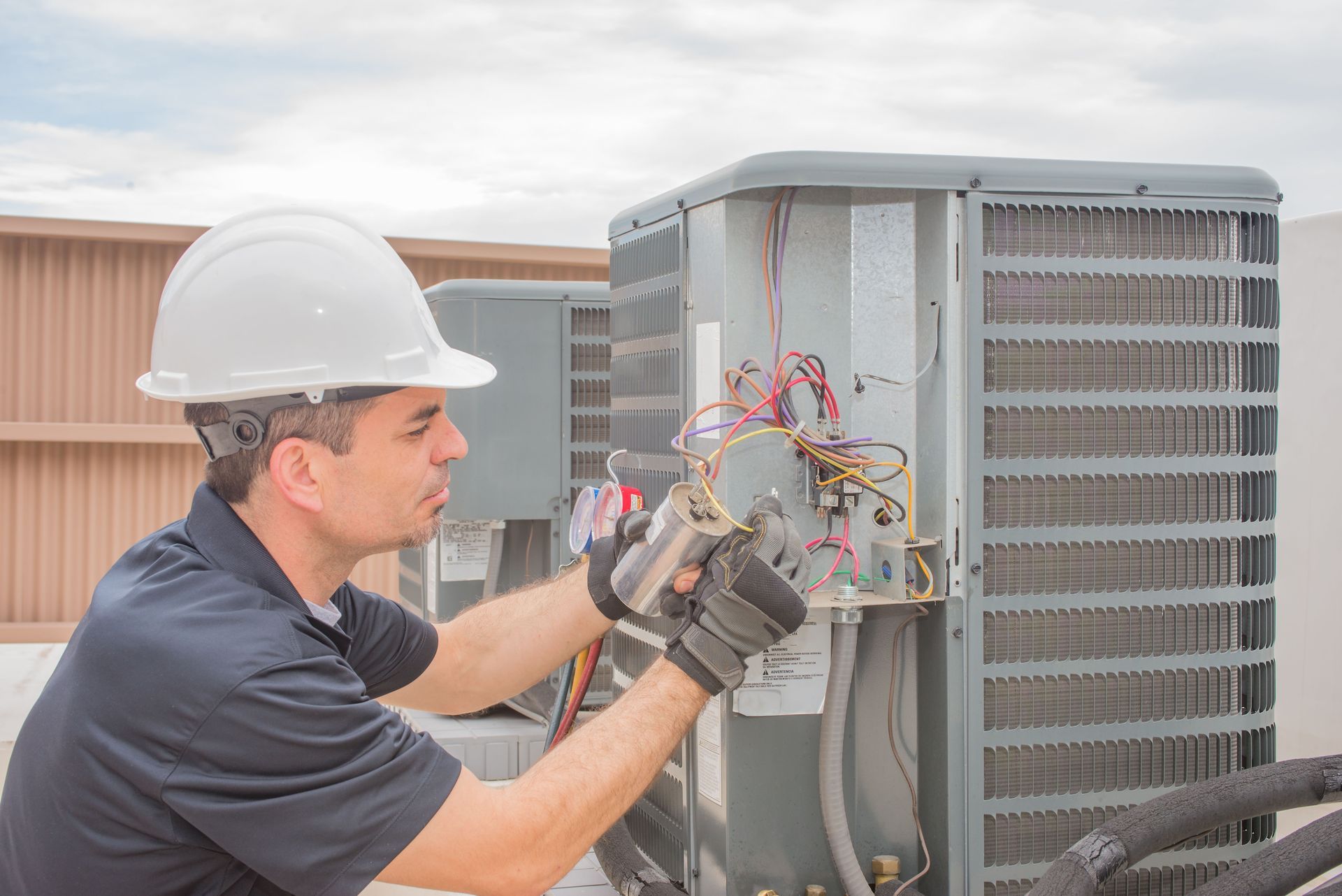
Diagnostic testing measures electrical draw across starting capacitors to predict potential failures. Replacing weak electrical components during routine visits avoids sudden system shutdowns when heating demand peaks.
Refrigerant monitoring detects micro-leaks before low pressure damages internal compressor valves. Preserving proper chemical levels ensures stable cooling capacity while guarding expensive sealed systems against severe burnout.
Inspecting electrical wiring harnesses prevents short circuits that cause immediate equipment shutdowns. Replacing frayed wiring keeps system controls responding reliably during extreme weather demands.
Checking system safety controls ensures automatic shutoffs engage properly during power irregularities. Functional safety relays prevent minor electrical faults from causing major system board failures.
5. Enhance Home Safety
Heating and air units rely on complex electrical connections and high-voltage components. Loose connections or worn capacitors present serious electrical hazards if left unchecked during months of continuous operation.
Fuel-burning heating units require careful inspection to verify proper exhaust venting. Routine expert evaluations ensure heat exchangers remain crack-free, preventing hazardous combustion fumes from seeping into family living areas.
- Safe electrical operation across all circuits
- Proper venting of gas or oil combustion products
Technicians inspect safety switches designed to shut systems down during abnormal temperature spikes. Operational safety cutoffs prevent catastrophic overheating and protect home infrastructure from fire risks.
Gas pressure checks verify clean fuel burn within furnace burners. Proper fuel mixture settings eliminate soot accumulation while protecting heat exchangers from hot spots that cause metal fatigue.
Checking ignition controls guarantees safe and reliable fuel lighting cycles inside heating equipment. Proper burner ignition prevents gas build-up, ensuring safe operations throughout winter heating seasons.
Inspecting flue pipes prevents dangerous blockages from pushing carbon monoxide back into living spaces. Clear exhaust vents keep dangerous combustion gases moving safely outdoors away from family spaces.
6. Protect Warranty Coverage
Equipment manufacturers require documented professional maintenance to validate original warranty protections. Neglecting annual service checks can completely void coverage on expensive parts like compressors and heat exchangers.
Keeping detailed records of professional tune-ups ensures warranty claims receive immediate approval if component defects occur. Regular care guarantees manufacturer protection remains fully active throughout the designated coverage period.
Factory warranties cover expensive replacement parts but demand proof of ongoing professional care. Maintaining systematic maintenance logs prevents claims from getting rejected due to perceived user neglect.
Comprehensive seasonal checks guarantee that all factory-installed components perform within original engineering specifications. Preserving factory guidelines ensures replacement components remain covered under original manufacturer terms.
Validating annual HVAC service records keeps component warranties active for their full intended term. Documented service histories streamline claim approvals if major mechanical failures unexpectedly occur.
Professional maintenance satisfies all fine-print conditions outlined in original equipment warranty contracts. Continuous service documentation ensures total coverage protection for your entire heating system.
Securing uninterrupted home comfort requires dependable professional support. Turn to Affordable HVAC LLC to deliver comprehensive maintenance, reliable repairs, and expert care tailored to your home's unique heating and cooling needs.