July 6, 2026
Heating, ventilation, and air conditioning (HVAC) systems are pivotal for maintaining comfortable environmental conditions in both residential and commercial properties. These systems facilitate fresh airflow, regulate temperature, and almost invisibly underpin modern living by ensuring air quality and comfort. Regular maintenance of HVAC systems is crucial for enhancing their efficiency, extending their lifespan, and preventing unexpected failures. Like any complex mechanical setup, HVAC systems consist of numerous components that require scrutiny and care to function optimally. As temperature control becomes increasingly vital amidst changing environmental conditions, the pressure on HVAC systems escalates, highlighting the importance of routine maintenance with an HVAC contractor
HVAC Systems Basics
Components of HVAC Systems
HVAC systems are composed of several integral components designed to work together to control indoor temperature, humidity, and air quality. Major components include the heating unit, typically a furnace or heat pump, which provides warmth during colder months, and the cooling system or air conditioner used in warmer periods. Ventilation parts, comprising ducts, filters, and fans, maintain a flow of fresh air inside the building and expel stale air. Thermostats regulate the system's overall operations by setting the desired internal temperature, while advanced systems might include components like humidifiers, dehumidifiers, or air purifiers for enhanced air quality. The effectiveness and longevity of an HVAC system largely hinge on each component's proper maintenance with an HVAC contractor and functionality.
How HVAC Systems Work
HVAC systems operate on fundamental principles of thermodynamics, fluid mechanics, and heat transfer to distribute conditioned air. When heating is needed, the furnace burns fuel or uses electricity to produce heat, which is then distributed throughout the building via ductwork. In cooling mode, the air conditioner absorbs heat from indoor air and expels it outside, using a refrigeration cycle to supply cool air in return. Ventilation, often intertwined with heating and cooling, ensures the constant exchange of indoor and outdoor air to maintain air quality and comfort. The thermostat acts as the control center, sensing and responding to temperature changes to activate heating, cooling, and fan components as necessary. This intricate dance of mechanisms underscores the necessity of regular maintenance with a professional HVAC contractor to ensure seamless operation.
Types of HVAC Systems
HVAC systems come in various configurations, tailored to different building needs and environments. The most common types include split systems, hybrid systems, duct-free systems, and packaged heating and air systems. Split systems have separate heating and cooling units and are ideal for properties with available ductwork, while hybrid systems offer more energy-efficient solutions by alternating between gas and electric heating. Duct-free, or mini-split systems, are perfect for retrofitting buildings without ducts or providing spot cooling or heating. Packaged systems combine heating and cooling units into one solution, often used in smaller residential homes or spaces where indoor space is limited. Each type presents unique maintenance challenges and benefits, highlighting the importance of understanding system specifics to implement effective care strategies.
The Benefits of Regular HVAC Maintenance
Improved Energy Efficiency
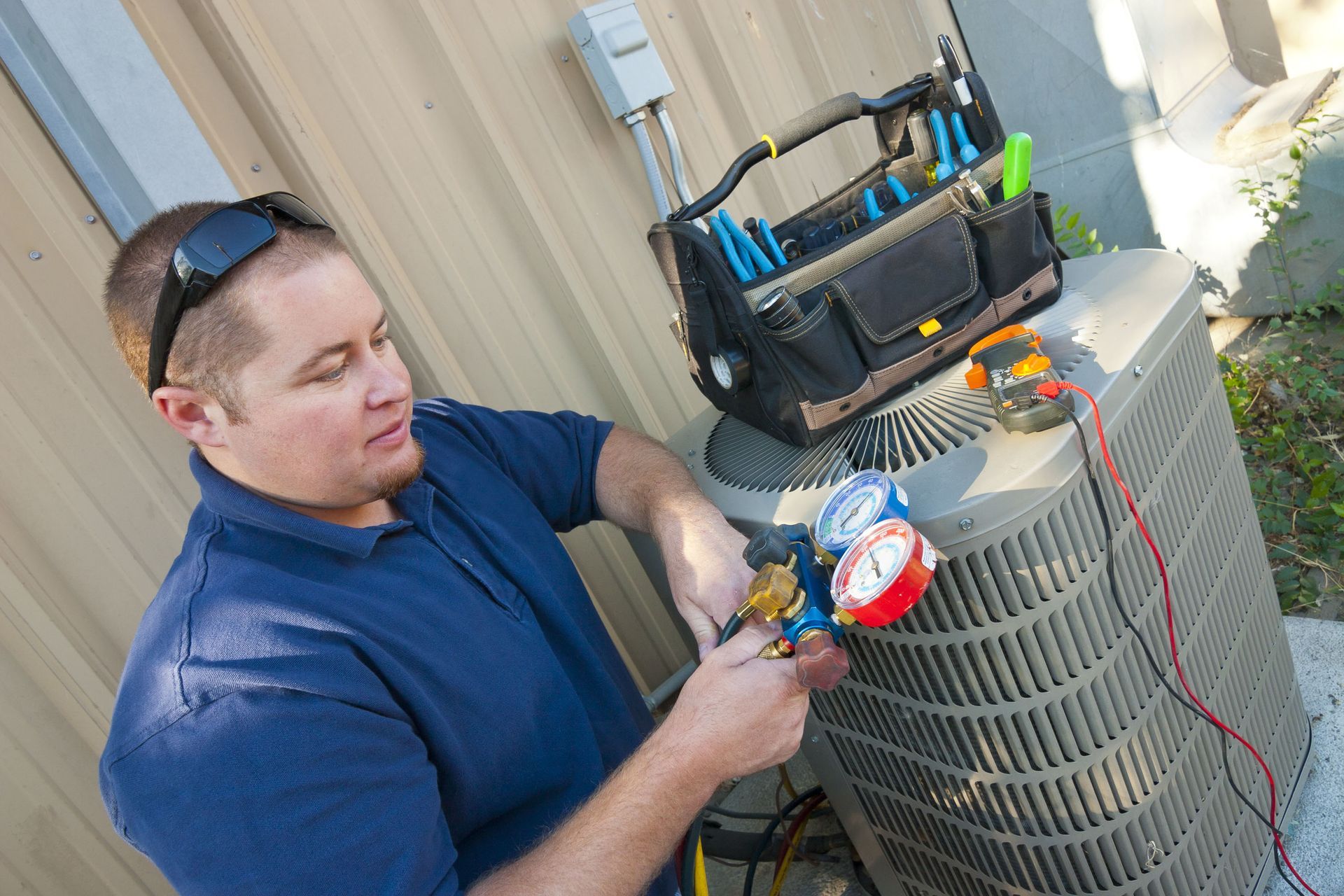
Regular maintenance with an HVAC contractor is pivotal in preserving the energy efficiency of the system. Performing routine checks and calibrations ensures that HVAC units operate within manufacturer specifications, reducing the energy they consume. Proper cleaning of filters and ducts prevents dust and debris from clogging the system, which otherwise forces the unit to work harder, increasing energy usage. 80% of HVAC failures are caused by dust and dirt due to a lack of maintenance, according to Gitnux, highlighting the essential role of cleanliness in system operation. Enhanced efficiency not only leads to lower utility bills but also contributes positively to environmental sustainability by minimizing carbon footprint.
Enhanced Air Quality
An often-overlooked benefit of regular HVAC maintenance is the significant improvement in indoor air quality. Dust-laden components can become breeding grounds for mold, bacteria, and allergens, compromising the health and safety of indoor environments. Routine cleaning and replacement of air filters ensure that these contaminants are removed effectively, safeguarding residents against potential respiratory issues. Ventilation components must also be evaluated to prevent the circulation of polluted air within a building. Ensuring that HVAC systems are well-maintained promotes a healthier indoor atmosphere, reducing the risk of allergy attacks and respiratory illnesses, which is of particular importance in households with sensitive individuals.
Furnace and AC Longevity
Ongoing HVAC maintenance with an HVAC contractor significantly prolongs the lifespan of the system by mitigating wear and damage risks. Addressing small repairs and adjustments during routine inspections prevents minor issues from escalating into expensive and extensive damage. The system's efficiency and its components' functional capacity are preserved, reducing the strain placed on them and delaying the necessity for premature replacements. Scheduled maintenance helps predict potential system failures, allowing for timely interventions that extend the overall durability of the HVAC unit. In essence, the longevity conveyed through consistent maintenance processes secures an invaluable return on investment by maximizing the operational life of costly appliances.
Common HVAC Maintenance Tasks
Inspection and Cleaning of Filters
One of the most quintessential maintenance tasks involves the inspection, cleaning, or replacement of the HVAC system's filters. Over time, filters can become clogged with dust, debris, and other airborne particles, reducing airflow and system efficacy. A dirty filter forces the system to exert more effort to maintain air circulation, expending more energy and risking overheating. Regular maintenance schedules with an HVAC contractor should include monthly filter checks, ensuring that any blockages are swiftly removed or replaced with new filters to facilitate optimal airflow. Clean filters not only extend the system's life and efficiency but also maintain healthier air quality by preventing the spread of allergens.
Air Duct Maintenance
The air ducts in an HVAC system are crucial for transporting conditioned air throughout a building. Over time, these ducts can accumulate dust, pet dander, mold spores, and noxious particles, which may deteriorate the efficiency of air circulation and quality. Routine inspection and cleaning of air ducts ensure unobstructed pathways, facilitating efficient airflow and minimizing energy consumption. Ductwork cleaning also reduces system noise generated by airflow obstructions and decreases allergy-inducing particle distribution. It is recommended that periodic professional duct cleaning be performed to preserve the cleanliness and efficiency of the entire HVAC network.
Coils and New Part Installation
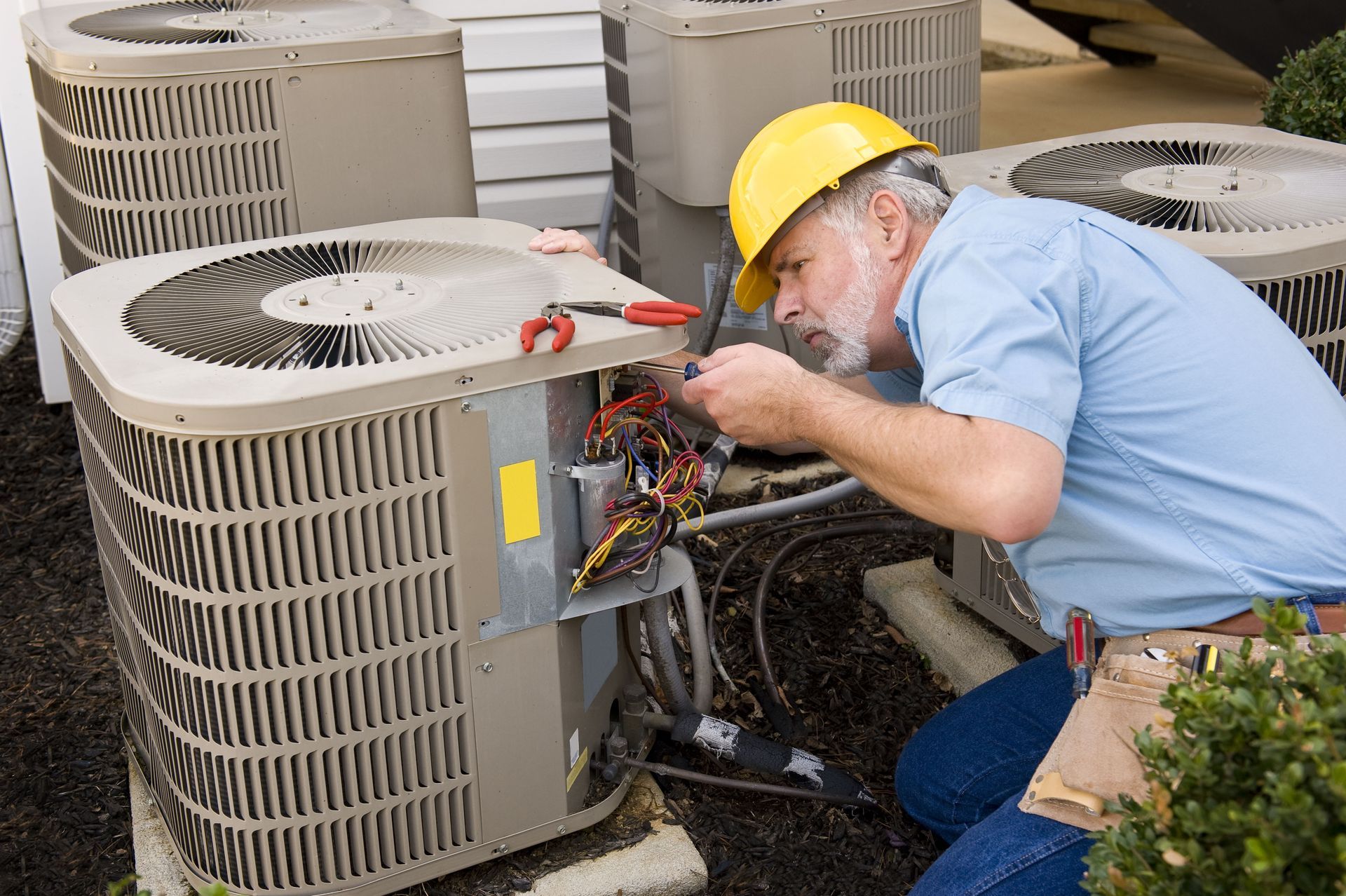
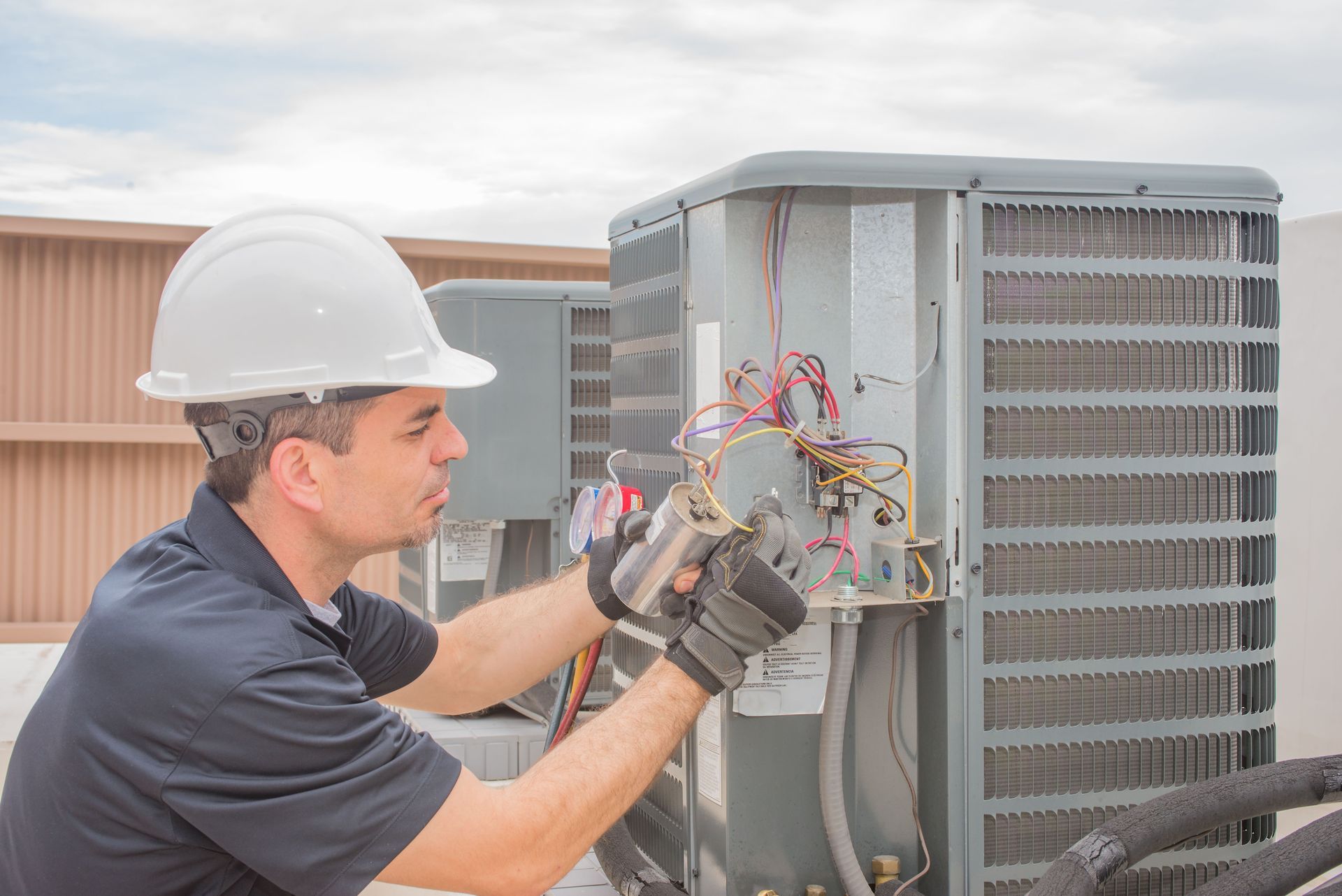
Coils in an HVAC system play a pivotal role in heat transfer processes, making their function essential for both the heating and cooling phases. The evaporator and condenser coils must be kept clean to facilitate effective heat absorption and expulsion without placing undue stress on the system. Dust and dirt accumulation can impede coil efficiency, leading to increased energy consumption and potential system failure. Regular inspections ensure that any compromised components are replaced, preserving system efficiency and avoiding costly repairs later on. Incorporating coil inspection and cleaning into routine maintenance schedules is essential to keep HVAC systems running smoothly.
A well-maintained HVAC system is the backbone of indoor comfort, health, and energy efficiency. As complex networks of interconnected components, these systems require consistent care, ranging from simple filter replacements to professional duct and coil cleanings, to function optimally. Prioritizing routine maintenance not only prevents costly, unexpected breakdowns and extends the operational lifespan of expensive equipment, but it also dramatically improves indoor air quality and lowers utility costs. Investing in regular upkeep ensures that residential and commercial spaces remain safe, sustainable, and perfectly conditioned environments, providing a substantial long-term return on investment. For an experienced HVAC contractor, call Affordable HVAC LLC today.