June 9, 2026
Maintaining a comfortable indoor environment requires a consistent focus on the mechanical systems that regulate temperature and air quality. It can be difficult to monitor what is actually going on with these machines until a major malfunction occurs. But when you're proactive toward system care, it'll preserve your initial investment and prevent sudden operational failures during extreme weather, while promoting long-term reliability and stable monthly utility expenses.
Identifying Essential System Demands
Every heating and cooling setup relies on unrestricted movement of air to regulate internal building temperatures effectively. When debris accumulates within the ductwork or around external components, the entire mechanical apparatus must labor significantly harder to achieve the desired thermostat settings. According to Energy Star, airflow problems are the cause of reductions of up to 15% efficiency in your HVAC system. This unnecessary strain accelerates the degradation of internal components, which ultimately cuts the operational lifespan of the machinery short.
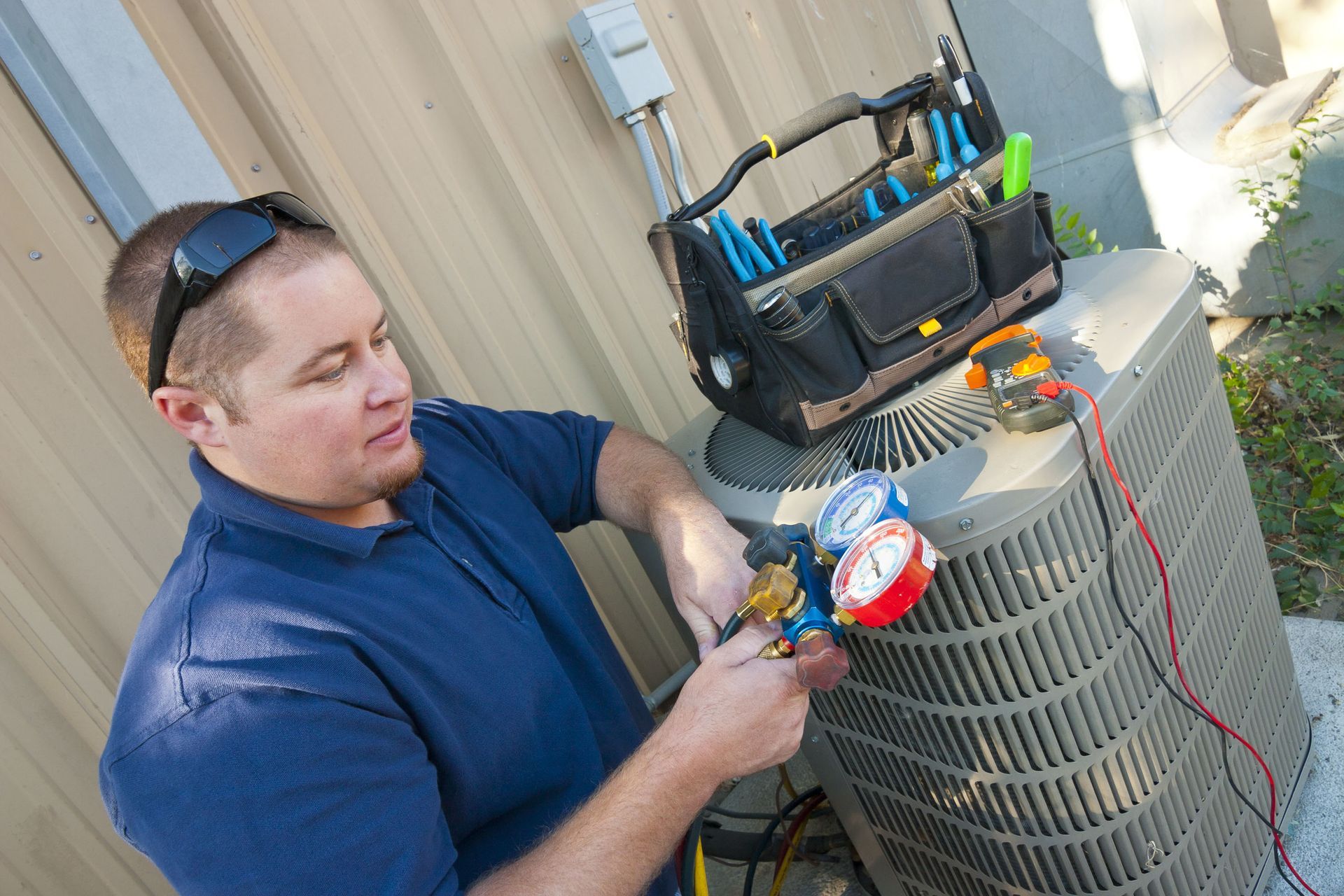
Professional oversight remains the most dependable method for identifying these hidden operational bottlenecks before they cause permanent damage. Qualified technicians possess specialized diagnostic tools capable of measuring static pressure and identifying subtle structural blockages that escape casual observation. Relying on established HVAC companies to assess these internal conditions protects the intricate calibration of your climate control equipment. These technical evaluations provide a clear baseline configuration, allowing for precise adjustments that restore optimal performance.
System architecture varies significantly between different properties, meaning that a standard approach to maintenance rarely yields the best results. Modern heat pumps, traditional furnaces, and central air conditioning units each possess unique vulnerabilities that require targeted inspections. Reputable HVAC companies understand these engineering distinctions and tailor their examination protocols to match your specific hardware configuration. This targeted attention prevents minor component wear from escalating into a cascading mechanical failure that compromises your entire indoor environment.
Securing Timely Professional Inspections
Scheduling regular checkups before the peak heating and cooling seasons arrive prevents the inconvenience of unexpected system shutdowns. Technicians utilize these seasonal visits to clean delicate electrical contacts, lubricate bearings, and check refrigerant levels for optimal thermal transfer. Skipping these critical milestones allows small discrepancies to grow into expensive emergencies when the weather turns harsh. Consistent oversight creates a predictable operational baseline, making it much easier to spot anomalous behavior early.
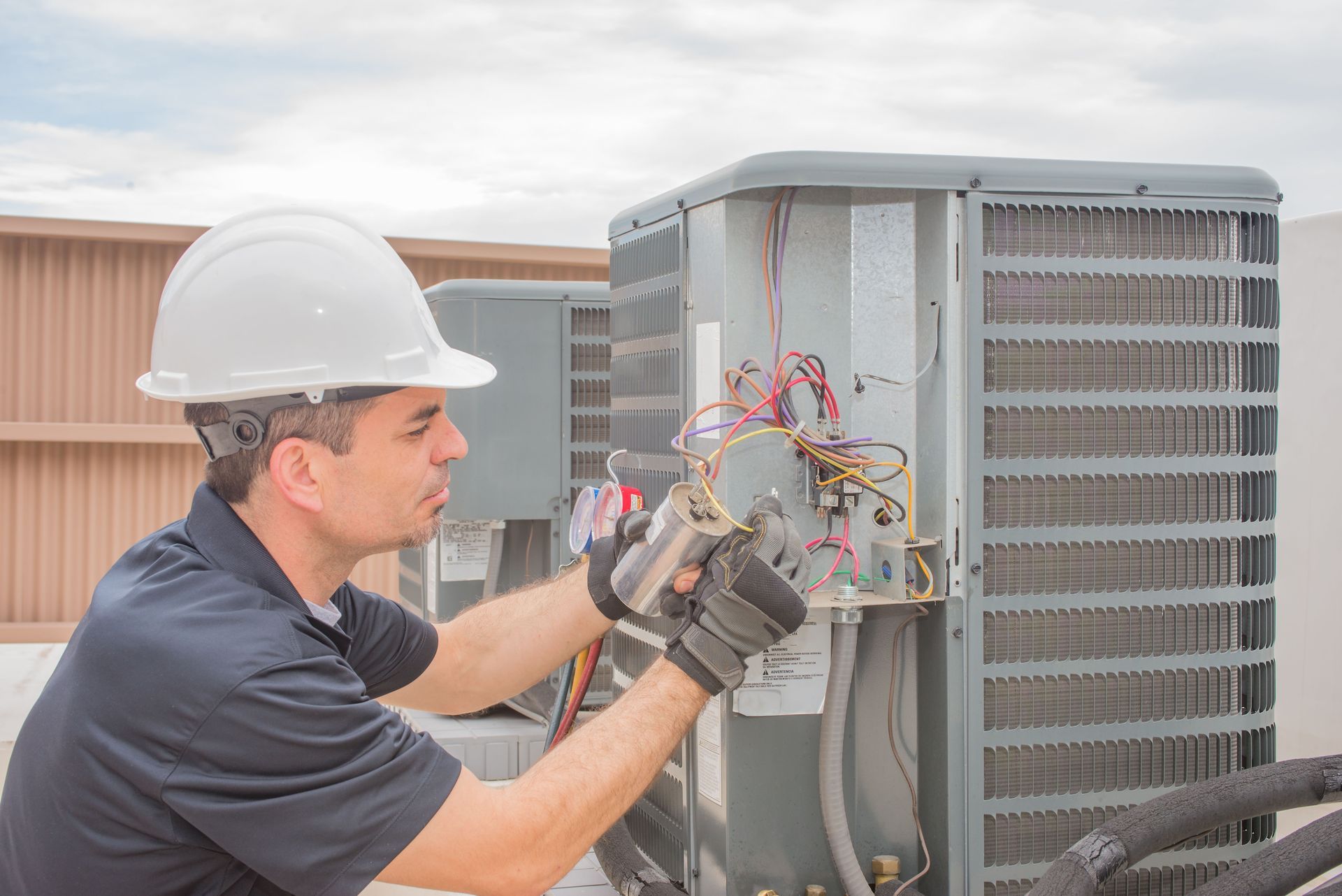
The intricate nature of modern climate control machinery means that untrained eyes frequently miss early indicators of mechanical exhaustion. Microscopic cracks in a heat exchanger or minor electrical resistance in a capacitor rarely show obvious external symptoms until total failure occurs. Engaging certified professionals from licensed HVAC companies gives you access to advanced thermal imaging and electrical testing equipment. These diagnostic processes reveal hidden flaws well in advance, allowing for orderly corrections rather than chaotic emergency responses.
Comprehensive inspections also encompass safety evaluations that shield occupants from unseen hazards like carbon monoxide leaks or electrical shorts. Technicians check safety switches, limit controls, and venting systems to verify that all protective fail-safes function correctly. Entrusting this detailed work to the experts guarantees that all assessments comply with local building codes and manufacturer specifications. This systematic verification process provides verifiable confirmation that your heating and cooling hardware operates within safe parameters.
Optimizing External Equipment Environments
The outdoor condensing unit serves as the primary gateway for heat rejection, making its immediate surroundings crucial for overall operational success. High winds, falling leaves, and dense vegetation frequently conspire to block the delicate aluminum fins surrounding the compressor. When these exterior pathways become obstructed, heat accumulates within the refrigerant loop, forcing the compressor to operate at elevated temperatures. Maintaining a clear zone around this hardware allows for rapid thermal exchange and reduces overall energy consumption.
Professional cleaning of these exterior coils requires specific chemical solutions and precise water pressure to prevent bending the fragile fins. Accumulated grime creates an insulating barrier that actively resists heat transfer, forcing the system to run longer cycles to cool your home. Experienced professionals possess the correct cleaning agents to dissolve stubborn environmental buildup safely. This meticulous cleaning process removes microscopic blockages, allowing the outdoor unit to breathe freely and operate at peak mechanical efficiency.
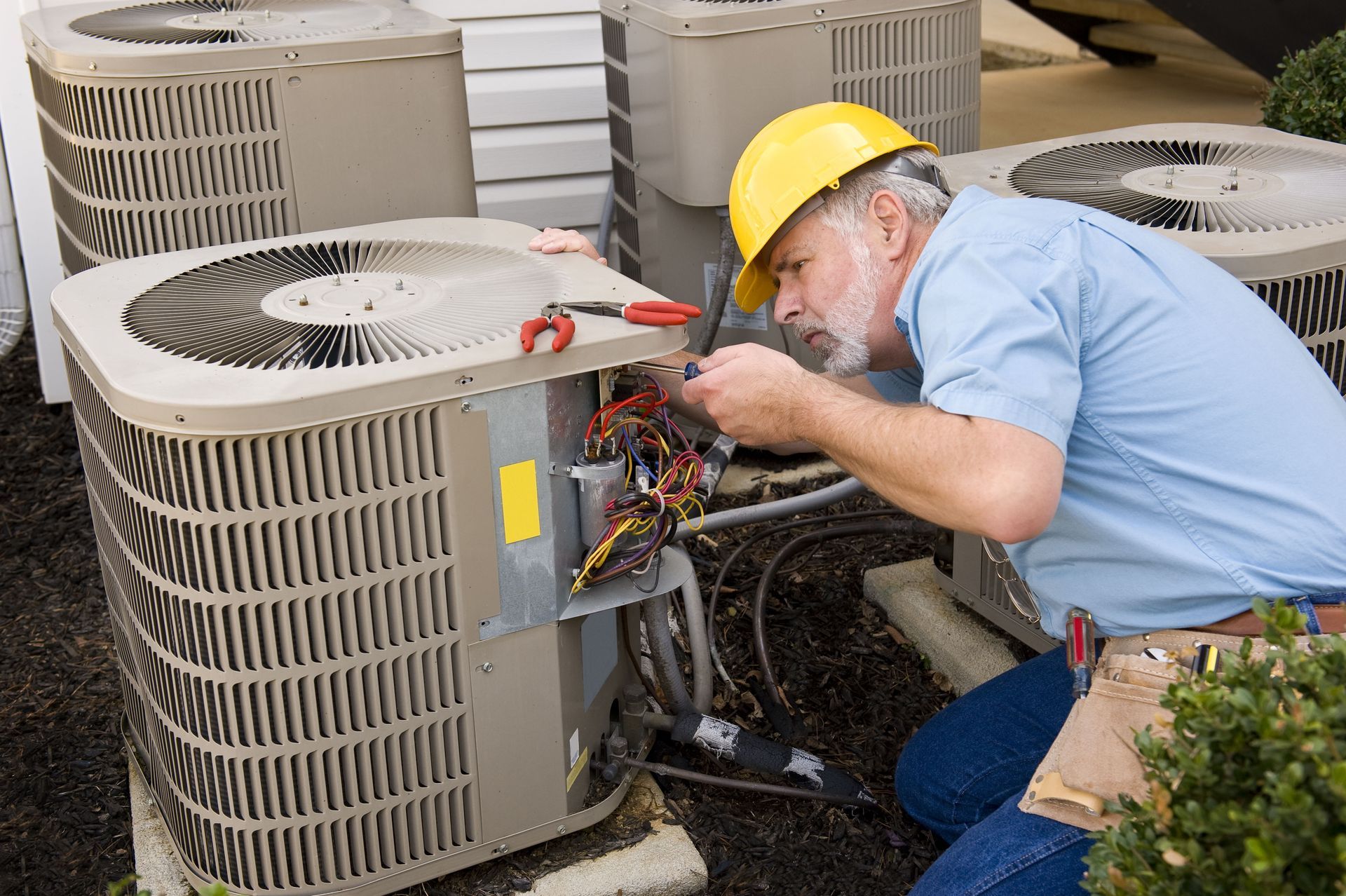
Physical protection of the outdoor asset also involves checking the structural integrity of the mounting pad and surrounding drainage pathways. Heavy rain or shifting soil can cause the condensing unit to tilt, which disrupts oil distribution inside the compressor housing. Technicians from local HVAC companies evaluate these structural factors during routine visits to verify that the equipment remains level and secure. Addressing these environmental hazards prevents physical stress on the refrigerant lines and preserves the structural alignment of the machinery.
Managing Internal Ventilation Pathways
The network of ducts distributing conditioned air throughout a building must maintain absolute structural integrity to prevent energy waste. Small gaps at joints or uninsulated pathways in attics allow conditioned air to escape into unoccupied building spaces. This leakage forces the primary units to generate excess thermal energy to compensate for the continuous loss along the distribution route. Sealing and insulating these hidden pathways keeps the conditioned air moving directly to the spaces where it is needed most.
Air filtration systems require systematic oversight to prevent fine particulate matter from coating the sensitive internal evaporator coils. When dust bypasses a compromised filter, it adheres to wet coil surfaces, creating a breeding ground for biological growth and reducing thermal efficiency. Expert technicians understand the exact aerodynamic requirements of your system and can recommend the precise filtration ratings that balance air purity with necessary airflow rates.
Balancing air pressure throughout the property involves verifying that return registers and supply vents remain unobstructed by furniture or window treatments. Blocking vents disrupts the engineered balance of the entire system, creating localized pressure zones that stress the blower motor. Representatives from professional HVAC companies can perform static pressure tests to verify that air distributes evenly across all rooms. This comprehensive balancing process eliminates cold spots and guarantees that every room receives an appropriate volume of treated air.
Extending Total Component Lifespans
Proactive adjustments to belt tensions, pulley alignments, and electrical connections reduce the friction that naturally degrades machinery over time. Blower motors that operate with improper belt tension experience premature bearing failure and consume excessive electricity during operation. Correcting these minor physical alignments during routine service intervals preserves the structural integrity of the moving parts. This meticulous care minimizes internal friction, allowing the entire assembly to operate quietly and smoothly for many years.
Electronic control boards and thermostats require periodic calibration to communicate accurately with the primary heating and cooling units. Outdated firmware or drifting sensor accuracy can cause short-cycling, a phenomenon where the system turns on and off too rapidly. Short-cycling places immense electrical stress on starting capacitors and mechanical stress on the compressor valves. Enlisting technical experts from modern HVAC companies guarantees that your control systems receive necessary software updates and precise sensor calibrations.
Documenting every service action creates a comprehensive tracking history that helps predict future maintenance needs and validates equipment warranties. Manufacturers frequently require proof of regular professional service before honoring warranty claims for major component failures. Maintaining an active relationship with recognized HVAC companies gives you a reliable archive of all mechanical interventions and component replacements.
Long-term indoor comfort depends completely on the consistent physical health of the home's heating and cooling infrastructure. Overlooking regular mechanical needs leads directly to declining efficiency, elevated utility bills, and premature equipment replacement. Investing in systematic professional oversight preserves the delicate calibration of these expensive systems. Contact Affordable HVAC LLC and work with professionals who will keep your property safe and comfortable through the changing seasons.